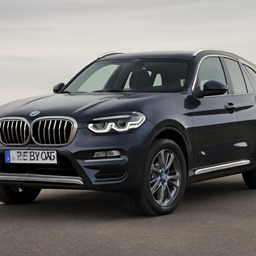
BMW X3 xDrive20d
Suv · Diesel · AWD
vs
Toyota Land Cruiser Prado
Suv · Diesel
BMW X3 xDrive20d
Car A
BMW X3 xDrive20d
A well-rounded diesel AWD SUV for growing families and road trips, pairing efficient consumption with usable space. Performance is adequate rather than sporty, and cargo capacity is good but not class-leading.
5 seatsSuvDiesel5-star safety5.5 L/100kmAWD
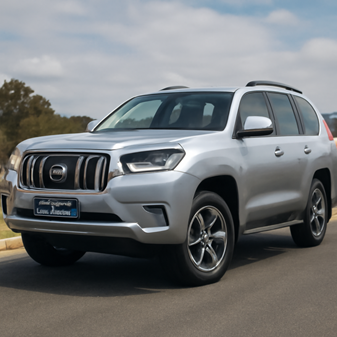
Toyota Land Cruiser Prado
Car B
Toyota Land Cruiser Prado
A 5-seat diesel with strong torque and a 640-liter cargo area, the Toyota Land Cruiser Prado suits growing families and road trips. It leans toward reliability and safety rather than city agility or performance thrills.
5 seatsSuvDiesel5-star safety200 hp
Why compared cross brandsame body typesame powertrainsame seatssame usage profilesimilar price

Usage fit

Family 75 / 80
City 49 / 31
Budget / value 60 / 56
Road trip 61 / 72
Performance 33 / 28
Cargo 38 / 44
Practical 57 / 58
Premium 48 / 36
Winter 76 / 40

Scores out of 100. Blue = BMW X3 xDrive20d · Orange = Toyota Land Cruiser Prado

Specs side-by-side

Spec BMW X3 xDrive20d Toyota Land Cruiser Prado
Values are representative — confirm for your market and trim.

Pros & cons

BMW X3 xDrive20d

  • Efficient for its class at 5.5 L/100 km
  • AWD traction suits winter and mixed conditions
  • Seats 5 with a 550 L boot for family use and trips
  • Good value in its segment around the 45,000 price point

Toyota Land Cruiser Prado

  • 640-liter cargo space handles family gear and luggage.
  • 500 Nm diesel torque makes loaded cruising easy.
  • 8.5 l/100 km combined is efficient for its class.
  • Prioritizes reliability and safety per its positioning.

Verdict

Pick BMW X3 xDrive20d if…
Best fuel economy
BMW X3 xDrive20d uses 5.5 L/100km vs 8.5 — a meaningful saving if you cover high mileage.
Pick Toyota Land Cruiser Prado if…
More power
Toyota Land Cruiser Prado puts out 200 hp vs 190 — meaningfully quicker and more confident on motorways.

Related comparisons