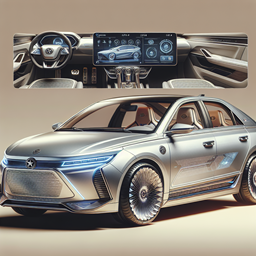
Mercedes-Benz A 180
Sedan · Gasoline · FWD
vs
Toyota Camry XSE
Sedan · Gasoline · FWD
Mercedes-Benz A 180
Car A
Mercedes-Benz A 180
The Mercedes-Benz A 180 leans on efficiency and safety for daily use, offering five-seat practicality and composed performance with good value in its segment.
5 seatsSedanGasoline5-star safety5.5 L/100km
Toyota Camry XSE
Car B
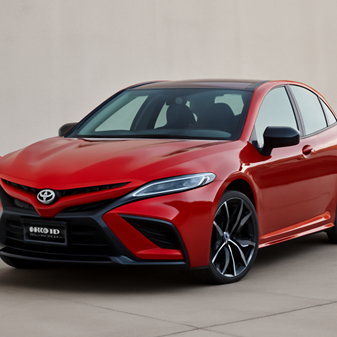
Toyota Camry XSE
A value-focused five-seat FWD family car that leans on reliability and safety, the Camry XSE pairs 206 hp performance with efficiency for its class. It suits daily driving and road trips if you don’t need cargo-heavy capacity or winter-specific traction.
5 seatsSedanGasoline5-star safety206 hp
Why compared cross brandsame body typesame powertrainsame seatssame usage profilesimilar price

Usage fit

Family 57 / 61
City 54 / 37
Budget / value 65 / 62
Road trip 47 / 59
Performance 29 / 34
Cargo 19 / 23
Practical 42 / 43
Premium 44 / 31
Winter 26 / 30

Scores out of 100. Blue = Mercedes-Benz A 180 · Orange = Toyota Camry XSE

Specs side-by-side

Spec Mercedes-Benz A 180 Toyota Camry XSE
Values are representative — confirm for your market and trim.

Pros & cons

Mercedes-Benz A 180

  • Efficient for its class at 5.5 L/100 km, keeping fuel costs in check
  • Strong safety standing among compact cars
  • Smooth daily drivability: 0-100 km/h in 8.2 s and 300 Nm aid easy merging
  • Five seats and a usable 350 L trunk suit small-family and city use

Toyota Camry XSE

  • Good value in its segment at 32,900
  • Reliability and safety rank as core strengths
  • 206 hp and 8.5 s 0–100 km/h deliver confident everyday performance
  • Efficient for its class at 8.1 L/100 km, plus a usable 427 L trunk for family trips

Verdict

Pick Mercedes-Benz A 180 if…
Best fuel economy
Mercedes-Benz A 180 uses 5.5 L/100km vs 8.1 — a meaningful saving if you cover high mileage.
Pick Toyota Camry XSE if…
More power
Toyota Camry XSE puts out 206 hp vs 136 — meaningfully quicker and more confident on motorways.

Related comparisons