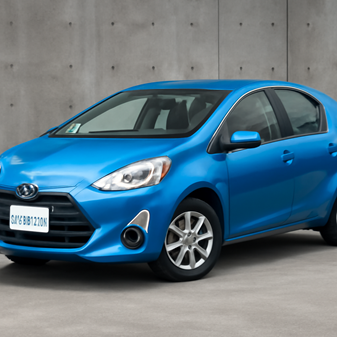
Toyota Prius c
Hatchback · Hybrid · FWD
vs
Hyundai Ioniq Plug-in Hybrid
Hatchback · Hybrid · FWD
Toyota Prius c
Car A
Toyota Prius c
The Prius c suits city driving with standout efficiency and enough space for five and 484 L of cargo. It offers good value in its segment, though performance is modest.
5 seatsHatchbackHybrid5-star safetyHybrid
Hyundai Ioniq Plug-in Hybrid
Car B
Hyundai Ioniq Plug-in Hybrid
A compact plug-in hybrid focused on efficiency and daily usability, offering up to 50 km electric range and a useful 443 L trunk. Best for budget-focused city and family duties; less suited to performance or cargo-heavy needs.
5 seatsHatchbackHybrid5-star safety1.6 L/100km141 hpHybrid
Why compared better on fuelcomparison picksame body typesame powertrainsame seatssimilar price

Usage fit

Family 67 / 67
City 77 / 66
Budget / value 73 / 75
Road trip 46 / 41
Performance 32 / 32
Cargo 27 / 24
Practical 57 / 59
Premium 14 / 22
Winter 20 / 26

Scores out of 100. Blue = Toyota Prius c · Orange = Hyundai Ioniq Plug-in Hybrid

Specs side-by-side

Spec Toyota Prius c Hyundai Ioniq Plug-in Hybrid
Values are representative — confirm for your market and trim.

Pros & cons

Toyota Prius c

  • Excellent fuel economy (4.1 L/100 km) lowers running costs
  • Long 765 km range reduces refueling stops
  • Seats 5 with a 484 L trunk for daily family duties
  • Priced at 21,800, it’s good value in its segment

Hyundai Ioniq Plug-in Hybrid

  • 50 km electric range covers most city commutes and errands
  • Rated 1.6 combined consumption keeps running costs down and is efficient for its class
  • Practical 5-seat layout with a 443 L trunk suits small families
  • At 25,900, it offers good value in its segment

Verdict

Pick Toyota Prius c if…
Lower entry price
Toyota Prius c starts lower, making it the stronger value pick if budget is a priority.
Pick Hyundai Ioniq Plug-in Hybrid if…
More power
Hyundai Ioniq Plug-in Hybrid puts out 141 hp vs 99 — meaningfully quicker and more confident on motorways.

Related comparisons