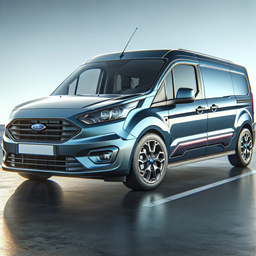
Ford Transit Connect XLT Van
Van · Gasoline
vs
Toyota Sienna XSE
Minivan · Gasoline · FWD
Ford Transit Connect XLT Van
Car A
Ford Transit Connect XLT Van
A compact van with five seats and generous cargo space, the Transit Connect XLT suits growing families and cargo-heavy use. It prioritizes reliability and is efficient for its class while offering good value in its segment.
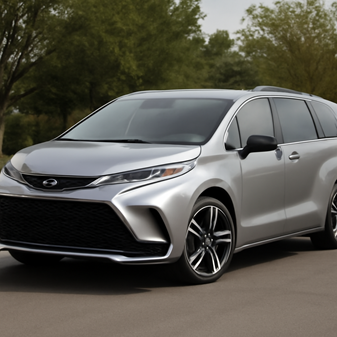
5 seatsVanGasoline4-star safety
Toyota Sienna XSE
Car B
Toyota Sienna XSE
Toyota Sienna XSE (FWD) is geared toward road trips and family use, emphasizing reliability, safety, and efficient running (8.3 combined). It suits buyers who value practicality over sporty performance or tight-city agility.
5 seatsMinivanGasoline5-star safety8.3 L/100km
Why compared more reliablecomparison picksame body typesame powertrainsame ranking profilestrong ranking match

Usage fit

Family 80 / 52
City 40 / 6
Budget / value 59 / 17
Road trip 49 / 59
Performance 28 / 0
Cargo 68 / 12
Practical 53 / 33
Premium 22 / 24
Winter 22 / 30

Scores out of 100. Blue = Ford Transit Connect XLT Van · Orange = Toyota Sienna XSE

Specs side-by-side

Spec Ford Transit Connect XLT Van Toyota Sienna XSE
Values are representative — confirm for your market and trim.

Pros & cons

Ford Transit Connect XLT Van

  • Five-seat flexibility and 1000 L cargo space handle family duties and hauling
  • Prioritizes reliability for stress-free daily use
  • Efficient for its class with a rated 8.5 combined consumption
  • Price near 35,000 offers good value in its segment

Toyota Sienna XSE

  • Strong reliability emphasis for low-stress ownership
  • Safety focus supports family needs and peace of mind
  • Efficient for its class with 8.3 combined consumption
  • Road-trip oriented practicality for longer journeys

Verdict

Pick Ford Transit Connect XLT Van if…
Efficiency & everyday ease
Ford Transit Connect XLT Van is the choice if fuel economy and city-friendly driving are your priority.
Pick Toyota Sienna XSE if…
Reliability edge
Toyota Sienna XSE scores higher on reliability — worth considering for long-term ownership.

Related comparisons