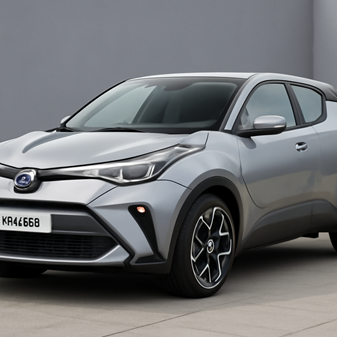
Toyota C-HR Hybrid
Crossover · Hybrid
vs
Ford Puma
Crossover · Gasoline
Toyota C-HR Hybrid
Car A
Toyota C-HR Hybrid
The Toyota C-HR Hybrid focuses on efficiency and practicality, returning 4.0 L/100 km and up to 1,000 km of range. It seats five with a 377 L trunk and offers good value in its segment, though it favors frugality over thrills.

5 seatsCrossoverHybrid5-star safety4 L/100kmHybrid
Ford Puma
Car B
Ford Puma
The Ford Puma offers good value in its segment, pairing efficient petrol running with practical five-seat space for city and family duties. It leans on reliability and safety rather than premium trimmings or performance thrills.
5 seatsCrossoverGasoline5-star safety155 hp
Why compared same body typesame seatssame usage profilesimilar pricestrong usage match

Usage fit

Family 68 / 71
City 60 / 57
Budget / value 73 / 72
Road trip 62 / 49
Performance 22 / 22
Cargo 27 / 32
Practical 55 / 55
Premium 22 / 22
Winter 34 / 34

Scores out of 100. Blue = Toyota C-HR Hybrid · Orange = Ford Puma

Specs side-by-side

Spec Toyota C-HR Hybrid Ford Puma
Values are representative — confirm for your market and trim.

Pros & cons

Toyota C-HR Hybrid

  • 4.0 L/100 km combined helps keep running costs down.
  • Approx. 1,000 km range reduces fuel stops for commuting and road trips.
  • Five seats and a 377 L trunk fit compact-family needs.
  • Around 25,000 price point offers good value in its segment.

Ford Puma

  • Emphasis on reliability and safety for daily use
  • Good value in its segment for budget-focused buyers
  • Efficient for its class at 5.8 L/100 km
  • Five seats and a 456 L trunk suit growing-family needs

Verdict

Pick Toyota C-HR Hybrid if…
Best fuel economy
Toyota C-HR Hybrid uses 4.0 L/100km vs 5.8 — a meaningful saving if you cover high mileage.
Pick Ford Puma if…
More power
Ford Puma puts out 155 hp vs 122 — meaningfully quicker and more confident on motorways.

Related comparisons