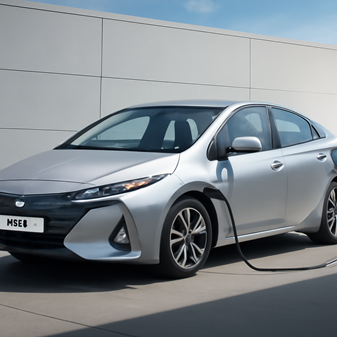
Toyota Prius Plug-in
Hatchback · Hybrid · FWD
vs
Ford Focus Electric
Hatchback · Electric · FWD
Toyota Prius Plug-in
Car A
Toyota Prius Plug-in
The Toyota Prius Plug-in focuses on ultra-low fuel use and city-friendly practicality, offering five seats and adequate cargo space at good value in its segment. Its short electric range and relaxed acceleration suit measured commuting more than spirited driving.
5 seatsHatchbackHybrid5-star safetyHybrid
Ford Focus Electric
Car B
Ford Focus Electric
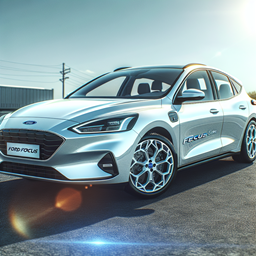
A compact electric model tuned for city driving, offering five seats and a useful 443 L trunk. Its 183 km range and modest pace make it a sensible daily choice rather than a long-distance cruiser.
5 seatsHatchbackElectric5-star safety143 hpElectric
Why compared cross branddifferent powertrainsame body typesame seatssimilar price

Usage fit

Family 64 / 65
City 65 / 77
Budget / value 72 / 70
Road trip 39 / 38
Performance 33 / 26
Cargo 20 / 24
Practical 56 / 56
Premium 23 / 23
Winter 26 / 26

Scores out of 100. Blue = Toyota Prius Plug-in · Orange = Ford Focus Electric

Specs side-by-side

Spec Toyota Prius Plug-in Ford Focus Electric
Values are representative — confirm for your market and trim.

Pros & cons

Toyota Prius Plug-in

  • Outstanding fuel economy (1.8 L/100 km) lowers daily costs
  • Can handle short urban trips on electricity (up to 25 km)
  • Seats five with a usable 360 L trunk for compact-family duties
  • Strong rankings for safety and reliability

Ford Focus Electric

  • Electric powertrain and FWD suit stop-start urban commutes
  • Good value in its segment at 29,999
  • Practical for a compact: five seats and 443 L of cargo space
  • Prioritizes reliability and safety in its positioning

Verdict

Pick Toyota Prius Plug-in if…
Lower entry price
Toyota Prius Plug-in starts lower, making it the stronger value pick if budget is a priority.
Pick Ford Focus Electric if…
More power
Ford Focus Electric puts out 143 hp vs 122 — meaningfully quicker and more confident on motorways.

Related comparisons