
Ford Escape SEL
Suv · Gasoline
vs
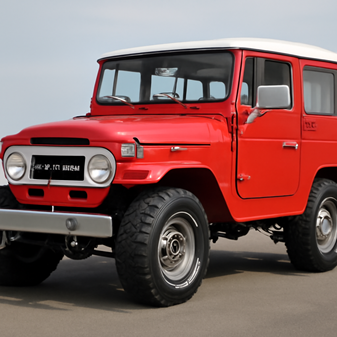
Toyota Land Cruiser FJ
Suv · Gasoline
Ford Escape SEL
Car A
Ford Escape SEL
The Ford Escape SEL leans toward family practicality, with a 5-seat layout, a generous 978 L cargo area, and combined consumption of 8.1 L/100 km. It favors reliability and safety over outright speed, with 190 hp and a 0–100 km/h time of 9.0 s.
5 seatsSuvGasoline5-star safety8.1 L/100km
Toyota Land Cruiser FJ
Car B
Toyota Land Cruiser FJ
The Toyota Land Cruiser FJ suits growing families and road trips with five seats and a generous 690 L cargo area. Strong gasoline power and a focus on reliability and safety offset a high price and 12 L/100 km fuel use.
5 seatsSuvGasoline5-star safety302 hp
Why compared same body typesame powertrainsame ranking profilesame seatsstrong ranking match

Usage fit

Family 87 / 81
City 47 / 19
Budget / value 63 / 34
Road trip 63 / 72
Performance 29 / 32
Cargo 63 / 46
Practical 62 / 55
Premium 24 / 47
Winter 36 / 40

Scores out of 100. Blue = Ford Escape SEL · Orange = Toyota Land Cruiser FJ

Specs side-by-side

Spec Ford Escape SEL Toyota Land Cruiser FJ
Values are representative — confirm for your market and trim.

Pros & cons

Ford Escape SEL

  • Roomy 978 L cargo space suits growing families and road trips
  • 5-seat layout balances passenger space and everyday usability
  • Efficient for its class at 8.1 L/100 km
  • Around $30,000, offering good value in its segment

Toyota Land Cruiser FJ

  • Large 690 L cargo space fits family gear for road trips
  • 302 hp and 381 Nm with 0–100 km/h in 8 s aid confident merging and passing
  • Seats five, aligning with needs of growing families
  • Emphasis on reliability and safety rather than outright speed

Verdict

Pick Ford Escape SEL if…
Best fuel economy
Ford Escape SEL uses 8.1 L/100km vs 12.0 — a meaningful saving if you cover high mileage.
Pick Toyota Land Cruiser FJ if…
More power
Toyota Land Cruiser FJ puts out 302 hp vs 190 — meaningfully quicker and more confident on motorways.

Related comparisons