BMW X3 sDrive30i
Suv · Gasoline · RWD
vs
Toyota 4Runner SR5 Premium
Suv · Gasoline
BMW X3 sDrive30i
Car A
BMW X3 sDrive30i
A well-rounded RWD SUV that balances family practicality and efficiency with confident everyday performance. Strong reliability and safety signals make it an easy pick for growing families and road trips.
5 seatsSuvGasoline5-star safety8 L/100km
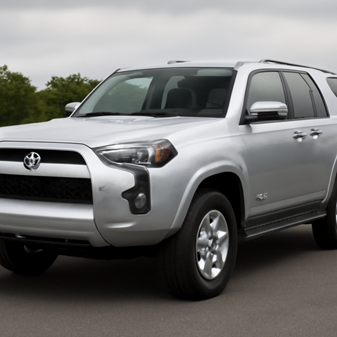
Toyota 4Runner SR5 Premium
Car B
Toyota 4Runner SR5 Premium
The Toyota 4Runner SR5 Premium emphasizes dependability and space, suiting growing families and road trips. It trades city maneuverability and efficiency for cargo capacity and steady highway performance.
5 seatsSuvGasoline4-star safety270 hp
Why compared more reliablebetter valuecomparison picksame body typesame powertrainsame ranking profile

Usage fit

Family 75 / 82
City 44 / 31
Budget / value 58 / 59
Road trip 57 / 73
Performance 34 / 30
Cargo 38 / 69
Practical 55 / 63
Premium 49 / 32
Winter 44 / 36

Scores out of 100. Blue = BMW X3 sDrive30i · Orange = Toyota 4Runner SR5 Premium

Specs side-by-side

Spec BMW X3 sDrive30i Toyota 4Runner SR5 Premium
Values are representative — confirm for your market and trim.

Pros & cons

BMW X3 sDrive30i

  • Reliability and safety rank highly for stress-free family use
  • Efficient for its class at 8 L/100 km, helpful for commuting and trips
  • Practical 5-seat layout with a usable 550 L cargo area
  • Good value in its segment around 45,000

Toyota 4Runner SR5 Premium

  • Reliability-first focus for low-stress ownership
  • Expansive 1080 L cargo area for gear, strollers, and luggage
  • Comfortable 5-seat layout works well for family road trips
  • 270 hp and 8.0 s 0–100 km/h enable confident merging and passing

Verdict

Pick BMW X3 sDrive30i if…
Best fuel economy
BMW X3 sDrive30i uses 8.0 L/100km vs 9.3 — a meaningful saving if you cover high mileage.
Pick Toyota 4Runner SR5 Premium if…
Reliability edge
Toyota 4Runner SR5 Premium scores higher on reliability — worth considering for long-term ownership.

Related comparisons